1. Temperature: Chlorophytum likes to grow in a semi cloudy and warm environment. In winter, we should pay attention to cold protection. When the ambient temperature is lower than 4 ℃, it will suffer from freezing damage. So in winter, we should prevent the damage caused by low temperature to plants.
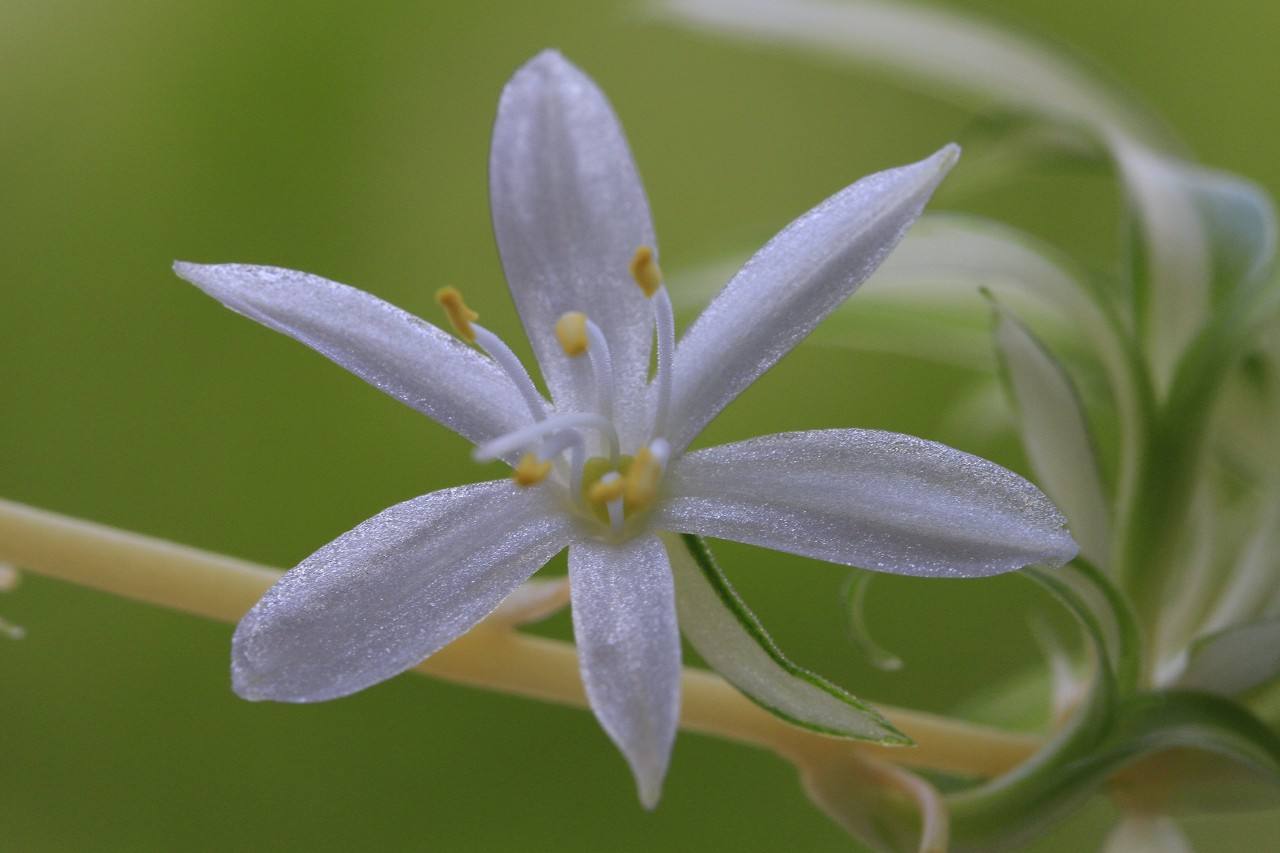
2. Light: the golden heart Chlorophytum likes bright light, but remember not to let the sunlight directly on the Chlorophytum, otherwise it will cause the leaf tip to wither and yellow. If the light is too strong, it is recommended to shade 50% of the light. In winter, it can not be shaded. It needs plenty of sunshine, but it is not direct.
3. Air humidity: in summer and autumn, the air is relatively dry, not suitable for the growth of Chlorophytum, so we should often spray water on the leaves of Chlorophytum to increase the humidity. Increase the humidity of the air to keep the plant active.
4. Water and fertilizer control: Chlorophytum is wet, watering once a day is appropriate, basin soil is best, there is sufficient water throughout the year, but has a certain ability to resist drought; avoid water in the basin. When watering can be appropriate fertilization, need to pay attention to not excessive fertilization.
5. Pruning and changing pots: with the growth of plants, in order to maintain good plant shape and beauty, it is better to prune the old leaves at the base frequently, and change pots in spring as needed.
6. Pest control: Chlorophytum is not easy to suffer from diseases and insect pests, but if the basin soil is waterlogged and the ventilation is poor, it may also cause root rot, and the root can be irrigated with 500-800 times of carbendazim wettable powder once a week for 2-3 times. It is easy to be damaged by scale insects when the plants are dense and the ventilation is not good.
7. Propagation: Chlorophytum is a fast growing plant, which can be propagated by cutting, dividing and sowing. In the above sowing and breeding, no special care is needed, which is more convenient to operate.
(1) Cutting and ramet propagation can be carried out at any time from spring to autumn. Chlorophytum has strong adaptability, high survival rate and is easy to reproduce. When cutting, as long as 5-10 cm long stolons with new buds are inserted into the soil, they can take root in about a week, and can be transplanted into pots in about 20 days, and then they can be watered and placed in the shade for maintenance.
(2) When the plant is divided, the old soil and rotten roots can be removed, and the old roots can be cut off so that there are three stems left on the separated plants, and then they are transplanted and cultured separately. You can also cut the clustered stems and leaves on the stolon of Chlorophytum (in fact, it is a new plant larva, with leaves on the top and air roots at the bottom), and directly plant it into the pot for cultivation.
(3) Seed propagation of Chlorophytum can be carried out in March every year. Because its seed grain is not big, after sowing the seed, the soil should not be thick, generally 0.5cm. When the temperature was 15 ℃, the seeds could germinate in about 2 weeks. After the seedlings were formed, they were transplanted and cultured.
Tips:
1. It is better to put it indoors in a place with half shade and sunshine. Too dark or too strong sunshine is not conducive to the growth of P. odoratum.
2. Although Chlorophytum likes to be wet, the basin soil should be kept dry in winter. If it is too humid, it will cause gray mold and rot leaves.
3. Pay attention to avoid pouring into the heart of the plant when watering, otherwise it is easy to cause the young leaves to rot, and even cause the death of Chlorophytum.