Fertilizer is closely related to plant growth and development. Especially for potted plants, due to long-term growth in pots, root growth is limited by the basin soil, and the range of nutrient uptake is small. In order to ensure the normal growth and development, it is more important to apply fertilizer. However, it is not the more fertilizer the better, which will have the opposite effect.
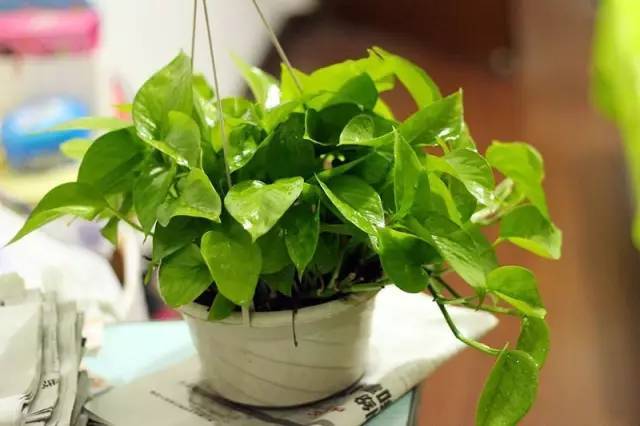
Fertilization for potted flowers requires timely and appropriate amount of fertilizer. In the rapid growth stage of flower seedlings, timely fertilization is required, otherwise the seedlings grow thin and can not grow into good seedlings. In the flower bud and flowering stage, if a large amount of nitrogen fertilizer is applied, the phenomenon of bud dropping, flower dropping and even barren bud will occur. If the "raw fertilizer" is not rotten or excessive fertilization is applied, fertilizer damage will occur, commonly known as "burning".
It is understood that there are many cases of flower death due to improper fertilization or watering. Attention should be paid to the following situations and measures should be taken to save them.
1. Weak growth of flowers and trees, poor plant development, pale leaves, or white spots, etc., are symptoms of lack of fertilizer. Nitrogen fertilizer should be applied in time, and some manure and fertilizer containing phosphorus and potassium should be applied appropriately.
2. The growth of branches and leaves is particularly prosperous. In a short period of time, long branches are pulled out, and the flower buds are small and stop growing, which leads to bud falling and revolution. This is caused by excessive application of nitrogen fertilizer. For example, if too much nitrogen fertilizer is applied to potted roses in spring, the branches and leaves are luxuriant, and they are not happy. However, continuous flower and fruit drop occurred in citrus. The remedy is to stop applying nitrogen fertilizer and use phosphorus and potassium fertilizer instead.
3. Soon after fertilizing flowers and trees, the plants withered and the leaves hung upside down, which was caused by the application of unripe fertilizer or concentrated fertilizer. In severe cases, plants and flowers will die quickly. If it is found that this kind of situation should be flushed and watered to dilute the fertilizer concentration. If it is more serious, it is necessary to change the basin and soil in time, trim the roots properly, and trim the branches and leaves on the ground intensively. Place the basin in a cool place and spray water frequently to facilitate recovery.
Fertilization method: there are two kinds of fertilizer for potted flowers: base fertilizer and top dressing fertilizer.
Base fertilizer
Base fertilizer is the fertilizer applied to the soil by planting. The base fertilizer is applied in the basin or mixing mud in winter, mainly cake fertilizer, hair, poultry feet and so on.
Topdressing
Topdressing is the fertilizer applied in the growing season of flowers. Topdressing is applied in the growing period of flowers and trees, generally once every half a month, and the amount should not be too much. Potted flowers are mostly treated with thin liquid fertilizer. Thin liquid fertilizer should be made in spring in advance, and can be applied only after it is fully decomposed in summer
1. Fat water: put the broken bones, soybean flour, rice washing water, sesame sauce residue, etc. into the VAT, add water to cover, place in the sun, and then decompose at high temperature. It is suitable for all potted flowers.
2. Alum fertilizer water: add 500g ferrous sulfate (bauxite) to every 50kg of water in the pickled fertilizer water, and then add water to dilute it. It is suitable for flowers that like acid soil. Alum fertilizer water can also promote the color of leaves to be green and glossy.
Fertilization principle:
Fertilization must be timely
Timely fertilization is to apply fertilizer when flowers need fertilizer. When the color of plant leaves becomes light and the growth is thin and weak, fertilization is the most appropriate.
Fertilization must be appropriate
Fertilization must be applied according to different growth stages of flowers. For example, more nitrogen fertilizer should be applied at seedling stage, fertilizer and water should be used more frequently, so as to promote the rapid and robust growth of seedlings. After the seedlings are completed, more phosphorus and potassium fertilizers should be applied to flowers and flowers for foliage observation, so that the leaves are tender and green. Phosphorus and potassium fertilizer should be applied to flowers and fruits to make the plants blossom and bear early and make the flowers and fruits colorful.
Season must be mastered in fertilization
In spring and summer, flowers grow rapidly and vigorously, so more fertilizer can be applied. In autumn, flowers grow slowly and should be less fertilized. In winter, it is dormant and should stop fertilizing.
Time must be mastered in fertilization
The principle of "less food and more meals" (i.e. "thin fertilizer and frequent application") should be adopted for potted flowers fertilization. Generally, from spring to autumn, thin fertilizer and water can be applied every 7-10 days, and 15-20 days after the beginning of autumn.
Temperature must be controlled in fertilization
Fertilization should be carried out on sunny days. It is not suitable to fertilize potted flowers before and after noon of high temperature in summer. Because of the high temperature of pot soil, topdressing is easy to damage roots, and the effect is best in the evening.
The soil must be loosened to fertilize
Before applying the thin liquid fertilizer to potted flowers, the surface layer of the pot soil should be raked up first, and then fertilized when the basin soil is slightly dry. After fertilization, the leaf surface is sprayed with water immediately to avoid residual fertilizer liquid polluting the leaf surface. Water must be poured once the next day of fertilization.