1. Basin soil selection
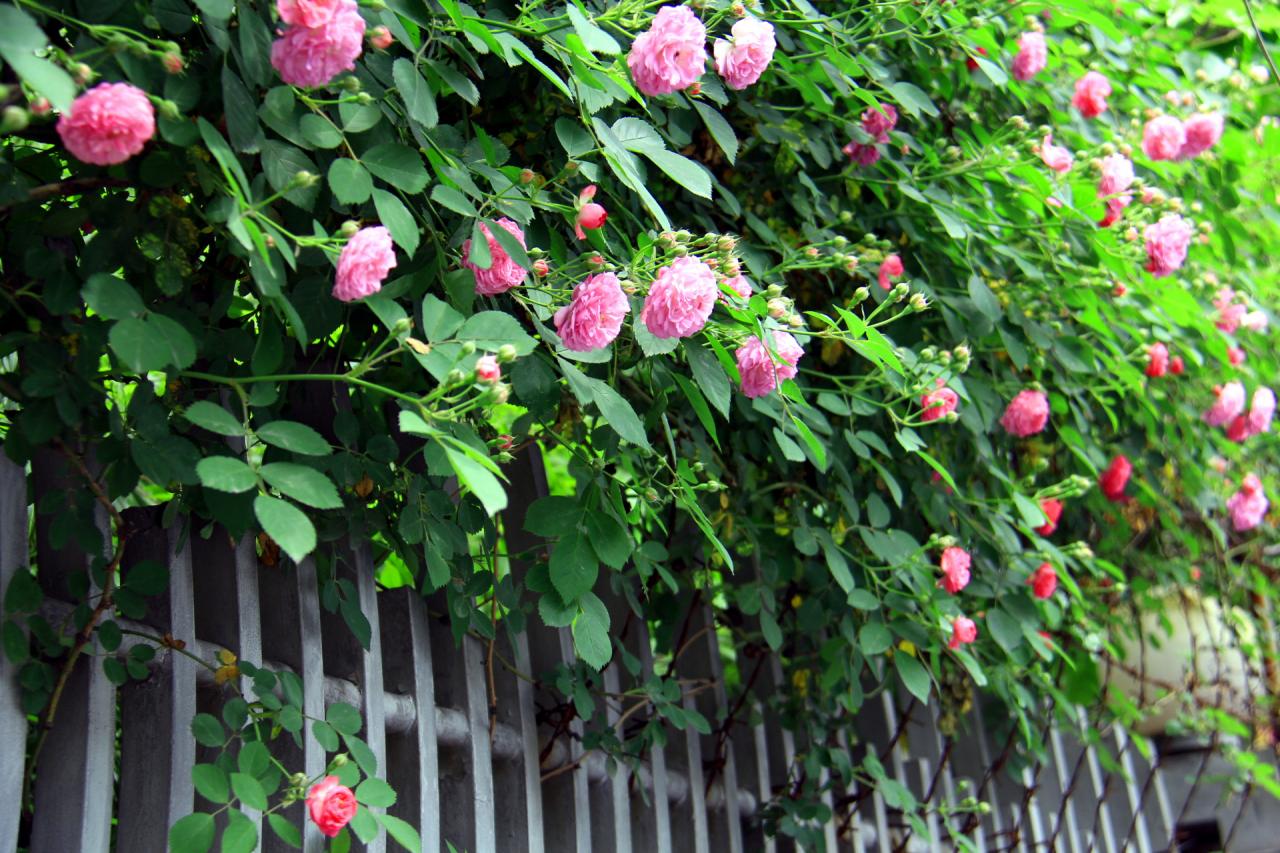
Osmanthus fragrans is a kind of hope with strong adaptability, and the requirement for soil is not high. The sticky soil can also grow, but the slightly acidic soil is more conducive to its growth. The basin soil can be mixed with humus soil or peat, garden soil, sand soil or river sand (the ratio is 5:3:2). After being prepared, the pH value should be kept at 5.5-6.5. The soil was sterilized with 0.1% potassium permanganate solution before potting.
2. Water properly
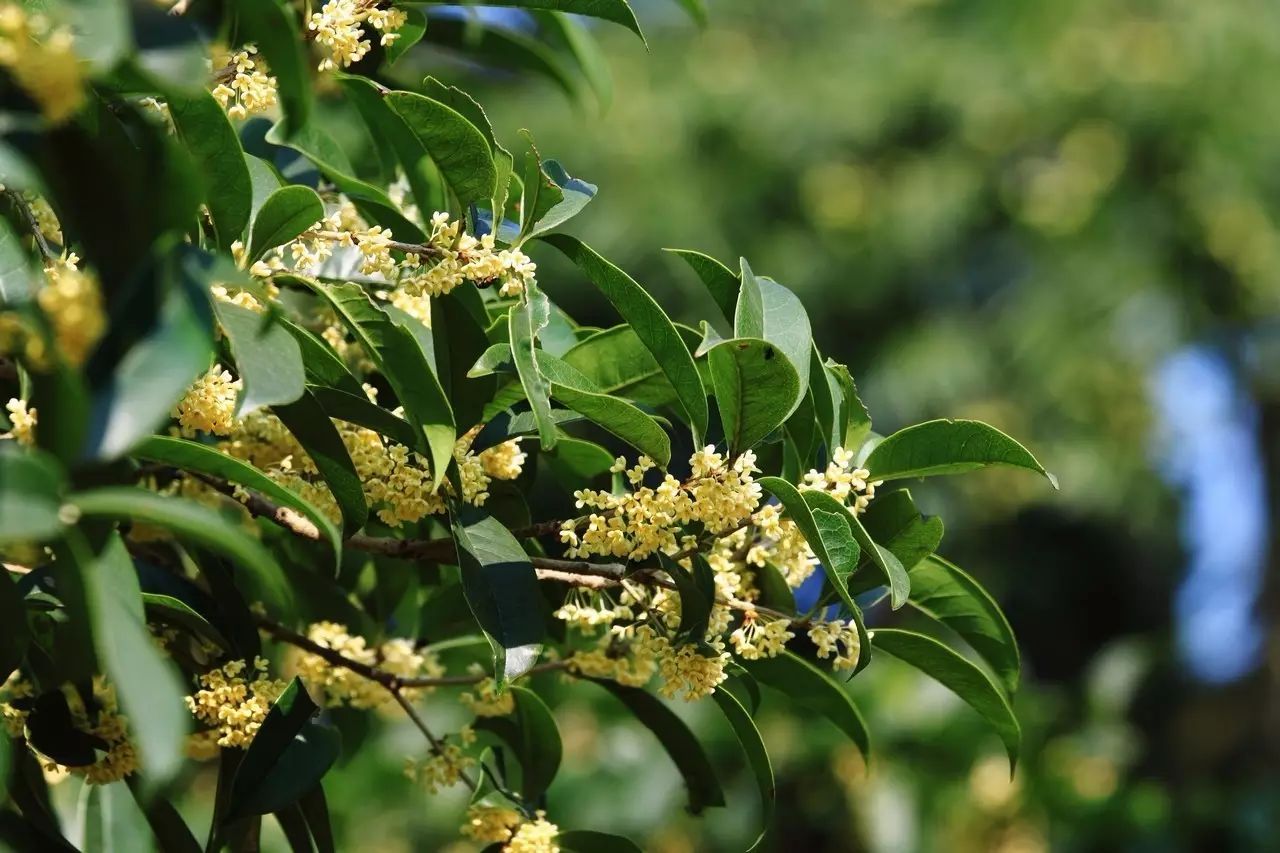
Osmanthus fragrans like high temperature and dry, so we must master the principle of "two less and one more" when watering, that is, less watering should be done before the sprouting of new shoots, less watering in rainy days, more watering in dry summer and autumn, and more watering should be done in normal times to keep the soil moisture content about 50%. Attention should be paid to prevent waterlogging and root rot in the basin.
In summer, the temperature should not exceed 35 ℃. Therefore, when it is hot and dry in summer, water must be sufficient. It should be watered once a day in the morning. In the evening, check whether the soil is dry or wet. If it is dry, it should be watered again. At noon, it should be shaded to avoid the influence of high temperature. It is best to spray water around the flowerpot to cool down.
3. Tips for fertilizing and topdressing
Sweet scented osmanthus likes pig manure very much. If you can get pig manure, you can apply the rotten and thin pig manure liquid once every ten days and a half months. Then in August, the Osmanthus fragrans will be very prosperous and fragrant. If there is no pig manure can also be used rotten cake fertilizer liquid, the best is more phosphorus and potassium fertilizer, which can promote the growth and flowering of Osmanthus fragrans.
4. Proper pruning
The best potted Osmanthus fragrans should be short and strong, with thick trunk and symmetrical branches and leaves. If it can not meet the requirements, cut the branches after the basin. Generally, pruning can be carried out twice in spring and autumn. The first pruning should be carried out after flowering in autumn.
When pruning, the over dense branches should be properly pruned according to the growth trend of the plant, so that thick short branches are left on each side branch, and the redundant branches are cut off. The second pruning was carried out before germination in early spring, and some dead branches, weak branches and disease and insect branches were cut off.
5. Pest control
There are many diseases and insect pests of Osmanthus fragrans. The main diseases are brown spots, dead leaves and anthrax. The pests include red spider, scale insects, etc. the specific control and medication methods will not be explained for you one by one here. Please remember to pay attention to observation, take prevention, and timely spray pesticide to prevent and control diseases and insect pests.
Tips: potted sweet scented osmanthus is best to choose resistant varieties, indoor breeding should pay attention to ensure that sweet scented osmanthus has sufficient light, in addition, every 1-2 years to change the pot once, the best time to choose in early spring, the new pot is a little bigger than the original pot, while changing soil, also need to cut part of the old roots and dead roots, so that Osmanthus fragrans can grow better in the coming year.